Wearable technology has evolved far beyond basic fitness trackers and smartwatches. In 2026, wearable devices are becoming integral parts of daily life, offering advanced features that impact health, productivity, entertainment, and personal safety. These devices are increasingly connected, intelligent, and multifunctional, using artificial intelligence (AI), sensors, and cloud computing to provide real-time insights. From monitoring vital signs to enhancing work efficiency and virtual experiences, wearables are redefining how humans interact with technology.
Health Monitoring Beyond Fitness 🏥
While fitness tracking remains a core feature, modern wearables provide comprehensive health monitoring. Devices can track heart rate variability, blood oxygen levels, sleep patterns, and even stress levels. Advanced wearables in 2026 can detect early signs of medical conditions and alert users or healthcare providers for timely intervention. Continuous health monitoring is transforming preventive care, allowing individuals to maintain wellness and manage chronic conditions more effectively than ever before.
Workplace Productivity and Smart Integration 💼
Wearables are increasingly used to boost productivity in professional environments. Smart glasses, wristbands, and wearable devices provide notifications, reminders, and workflow management without the need to check a smartphone constantly. Employees can access augmented reality (AR) overlays for training, maintenance, or complex procedures, enhancing accuracy and reducing errors. In 2026, wearables are a key component of connected workplaces, improving efficiency while reducing distractions.
Enhanced Communication and Connectivity 🌐
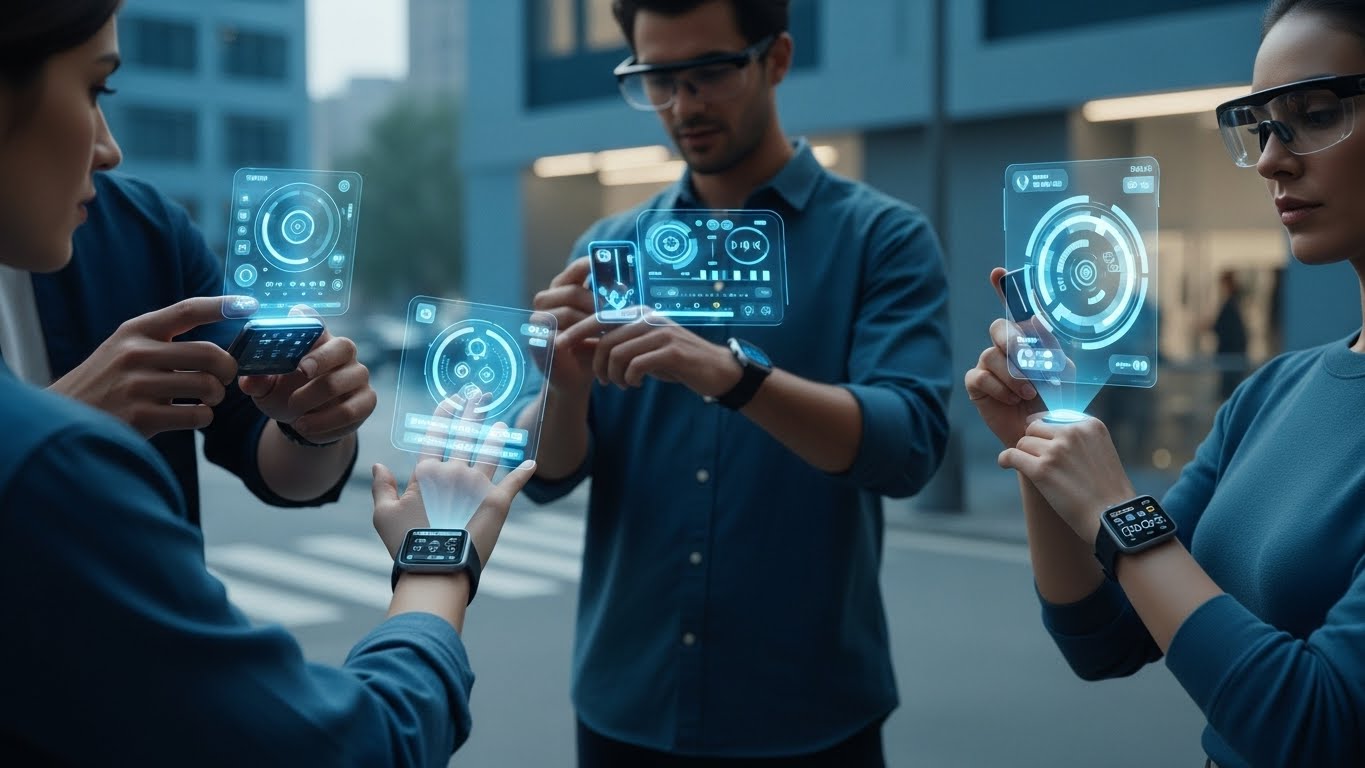
Wearable devices in 2026 provide new ways to communicate seamlessly. Smartwatches, earbuds, and AR glasses allow hands-free calls, instant messaging, and voice commands, making it easier to stay connected on the go. AI-powered assistants on wearables can summarize emails, manage schedules, and provide context-aware recommendations. This integration of communication tools into wearable devices ensures that users remain productive without being tethered to traditional devices.
Entertainment and Immersive Experiences 🎮
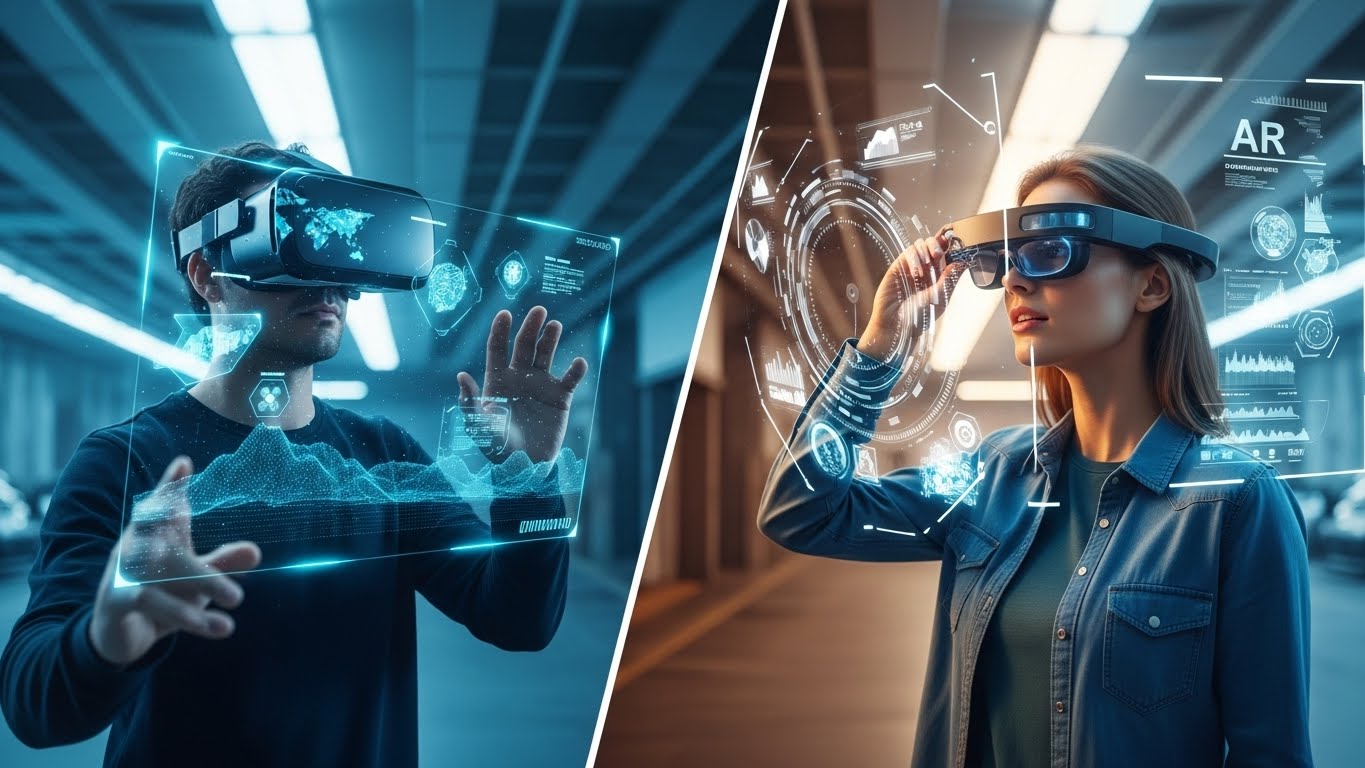
Wearables are also transforming entertainment and media consumption. Virtual reality (VR) and augmented reality (AR) headsets allow immersive gaming, virtual concerts, and interactive educational experiences. Haptic feedback suits and wearable sensors enable users to feel sensations in virtual environments, enhancing realism. In 2026, wearables bridge the gap between digital and physical experiences, creating fully interactive entertainment that responds to movement, touch, and biometric signals.
Personal Safety and Emergency Response 🚨
Safety is another critical application of wearables. Devices can detect falls, abnormal heart activity, or dangerous environmental conditions and automatically alert emergency contacts or medical services. GPS-enabled wearables provide location tracking for children, elderly individuals, and outdoor adventurers. In 2026, these features are enhanced by AI predictive analytics, enabling proactive safety interventions before incidents occur.
Fashion and Personal Expression 👗
Wearable technology is no longer purely functional—it is also a fashion statement. Smart jewelry, clothing, and customizable wearables allow users to express style while remaining connected. In 2026, devices can change display patterns, colors, or interfaces based on user preference or mood. This combination of technology and design ensures that wearables integrate seamlessly into daily life without compromising personal aesthetics.
Integration with Smart Homes and IoT 🏠
Wearables act as central controllers for smart homes and IoT ecosystems. Users can control lights, appliances, security systems, and even climate settings directly from their wrist or glasses. AI-driven automation learns user routines to optimize energy use, enhance comfort, and ensure safety. In 2026, wearables make managing connected environments intuitive, efficient, and personalized, linking daily activities to a broader digital ecosystem.
Challenges and Considerations ⚠️
Despite their benefits, wearable devices face challenges. Privacy concerns are significant, as these devices collect sensitive personal and health data. Battery life, durability, and device interoperability remain issues for consumers and businesses. Users must balance the advantages of continuous monitoring and convenience with ethical considerations around data sharing and security. Manufacturers in 2026 are increasingly focusing on privacy-by-design and enhanced security features to address these concerns.
The Future of Wearable Technology 🌟
The future of wearable technology promises even deeper integration with daily life. Advancements in AI, flexible displays, biometric sensors, and energy-efficient designs will make wearables more versatile and unobtrusive. In 2026, wearables are expected to become proactive companions, providing predictive health insights, real-time guidance, and seamless interaction with both digital and physical environments. This evolution will expand their impact far beyond fitness and health.
Conclusion: Beyond Fitness and Health 🌍
Wearable technology in 2026 has moved beyond simple step counting or heart rate monitoring. These devices are now multifunctional tools that enhance health, productivity, communication, entertainment, and safety. By integrating AI, AR, IoT, and advanced sensors, wearables offer personalized, real-time insights that enrich everyday life. As technology continues to evolve, wearable devices will become indispensable companions, bridging the gap between humans and the digital world while providing practical, life-enhancing solutions.