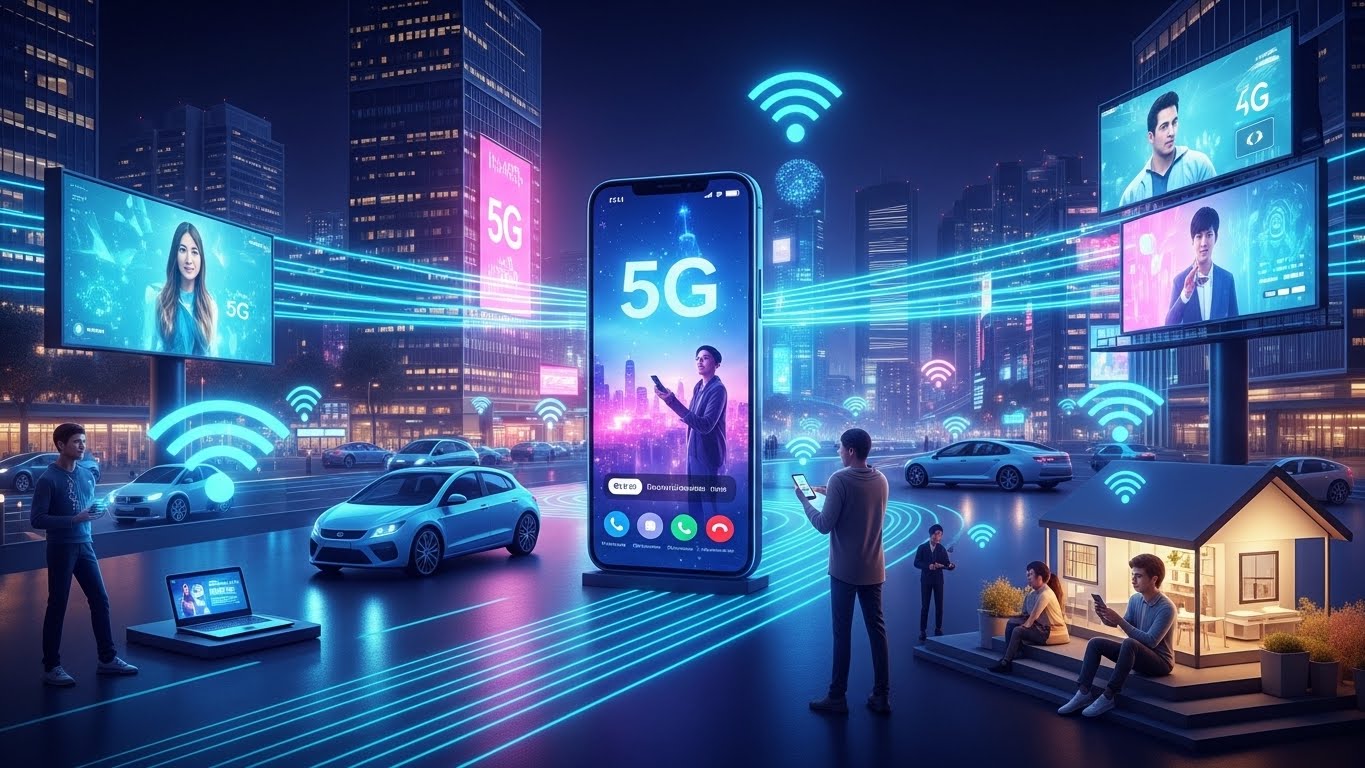
5G technology has emerged as a game-changer in the world of internet connectivity. By 2026, it is transforming how people, businesses, and devices connect and communicate. Unlike previous generations of mobile networks, 5G offers ultra-fast speeds, low latency, and the ability to connect a massive number of devices simultaneously. This technology is not only enhancing mobile internet experiences but also enabling innovations in smart cities, autonomous vehicles, virtual reality, and industrial automation. 5G is setting a new standard for speed, reliability, and connectivity worldwide.
Ultra-Fast Internet Speeds 📶
One of the most noticeable benefits of 5G is its remarkable internet speed. Users in 2026 can download large files, stream high-definition videos, and play online games without buffering or lag. 5G can deliver speeds up to 100 times faster than 4G, transforming mobile internet from a convenience into a seamless experience. This improvement enables applications that require real-time data transfer, such as live-streamed events, interactive gaming, and advanced virtual reality experiences.
Low Latency and Real-Time Communication ⏱️
Latency, the delay between sending and receiving data, has been dramatically reduced with 5G technology. In 2026, latency can be as low as 1 millisecond, making real-time communication almost instantaneous. This is critical for applications like telemedicine, autonomous vehicles, and remote industrial operations, where every millisecond counts. Low latency ensures that data is transmitted and received with minimal delay, enabling smoother and more reliable interactions across connected systems.
Massive Device Connectivity 🌐
5G networks are designed to support a huge number of connected devices simultaneously. This capability is essential for the growing Internet of Things (IoT), which includes smart homes, wearable devices, connected vehicles, and industrial sensors. By 2026, 5G allows these devices to communicate efficiently without network congestion. Businesses can deploy smart solutions that rely on continuous data exchange, while individuals enjoy interconnected devices that improve daily convenience and productivity.
Impact on Business and Industry 💼
5G is transforming industries by enabling faster, smarter, and more automated operations. In manufacturing, real-time monitoring of machinery and predictive maintenance are possible due to ultra-reliable 5G connections. Logistics companies can track shipments accurately, optimize routes, and reduce delays. Retailers benefit from enhanced mobile payment systems and augmented reality shopping experiences. Overall, 5G allows businesses to innovate and operate more efficiently, driving productivity and growth across sectors.
Enhanced Mobile and Remote Experiences 📱
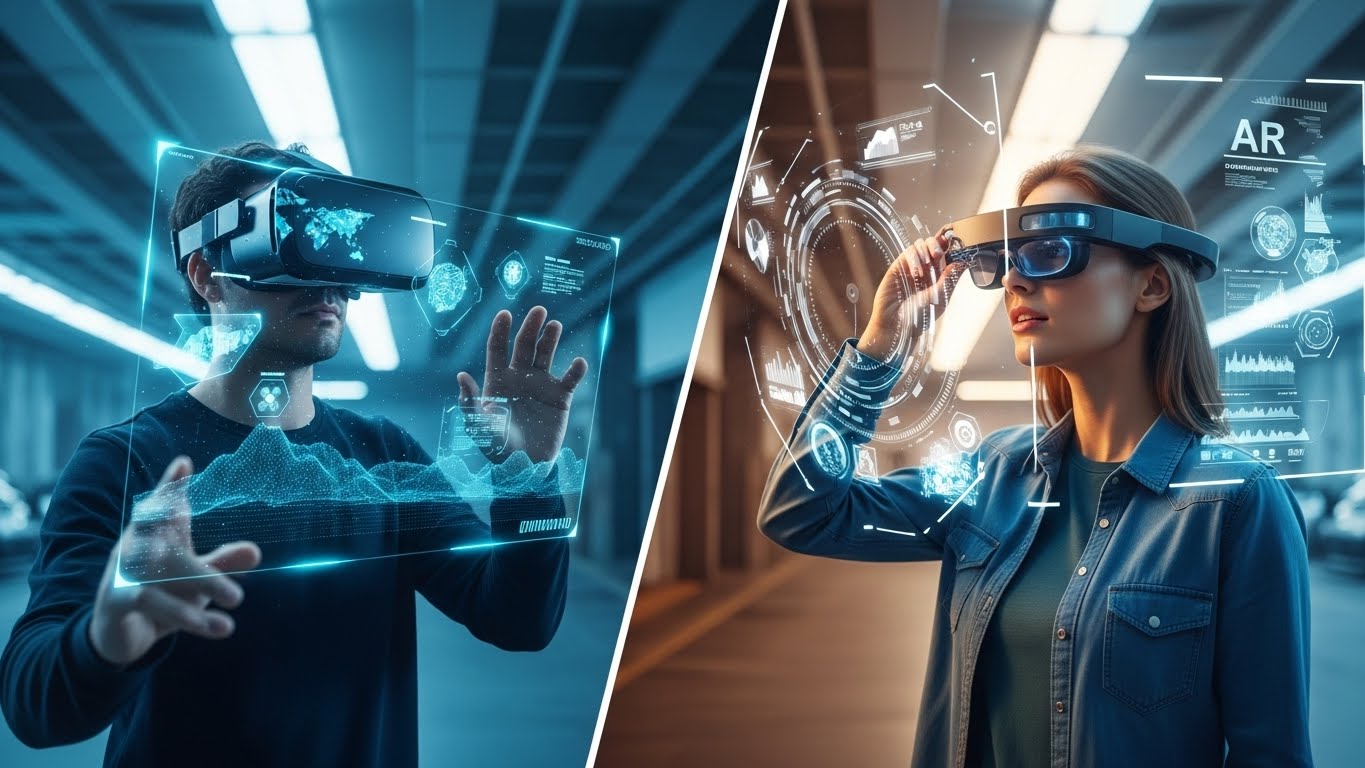
For consumers, 5G improves everyday mobile experiences. Streaming high-quality video, playing cloud-based games, and using AR or VR apps is smoother and more responsive than ever. Remote work and online collaboration also benefit from reliable and high-speed connections, making video conferencing and file sharing seamless. By 2026, 5G has become a key enabler of mobile-first lifestyles, supporting both professional and entertainment needs.
Smart Cities and Connected Infrastructure 🏙️
5G is a backbone for smart cities, enabling connected infrastructure, efficient energy use, and improved public services. Traffic lights, transportation systems, and environmental sensors communicate in real-time to optimize urban living. Emergency services respond faster, and public safety improves through AI-driven monitoring. By 2026, 5G-powered smart cities are becoming a reality, enhancing quality of life and reducing environmental impact through intelligent resource management.
Healthcare Innovations and Telemedicine 🏥
Healthcare is one of the key sectors benefiting from 5G technology. Telemedicine allows doctors to consult with patients remotely in real-time, perform remote diagnostics, and even assist in surgeries using robotic systems. Wearable health devices transmit continuous data to medical professionals, enabling proactive monitoring and early intervention. In 2026, 5G ensures that healthcare services are faster, more reliable, and accessible to more people, improving patient outcomes globally.
Challenges and Considerations ⚠️
Despite its advantages, 5G adoption comes with challenges. Infrastructure costs are high, and rolling out 5G coverage in rural or remote areas remains a challenge. Security concerns also increase as more devices are connected to the network. Businesses and governments must invest in cybersecurity, network management, and training to maximize the benefits of 5G. Careful planning and policy implementation are crucial to ensuring that the technology reaches its full potential safely and efficiently.
The Future of 5G and Beyond 🌟
5G technology is not the final step in wireless evolution. Researchers are already exploring 6G, which promises even faster speeds, lower latency, and more advanced AI integration. However, in 2026, 5G continues to reshape communication, business, healthcare, and entertainment. Its widespread adoption is enabling innovations that were previously impossible and laying the foundation for a hyper-connected world. Understanding and leveraging 5G is essential for individuals and organizations looking to thrive in the modern digital era.
Conclusion: 5G as a Catalyst for Connectivity 🌍
5G technology is transforming internet speed and connectivity in profound ways. It provides ultra-fast connections, low latency, and the ability to support massive numbers of devices, enabling innovations across industries and daily life. By 2026, 5G has become an essential infrastructure for businesses, smart cities, healthcare, and consumer applications. Embracing this technology allows individuals and organizations to stay connected, productive, and competitive in a rapidly evolving digital world.