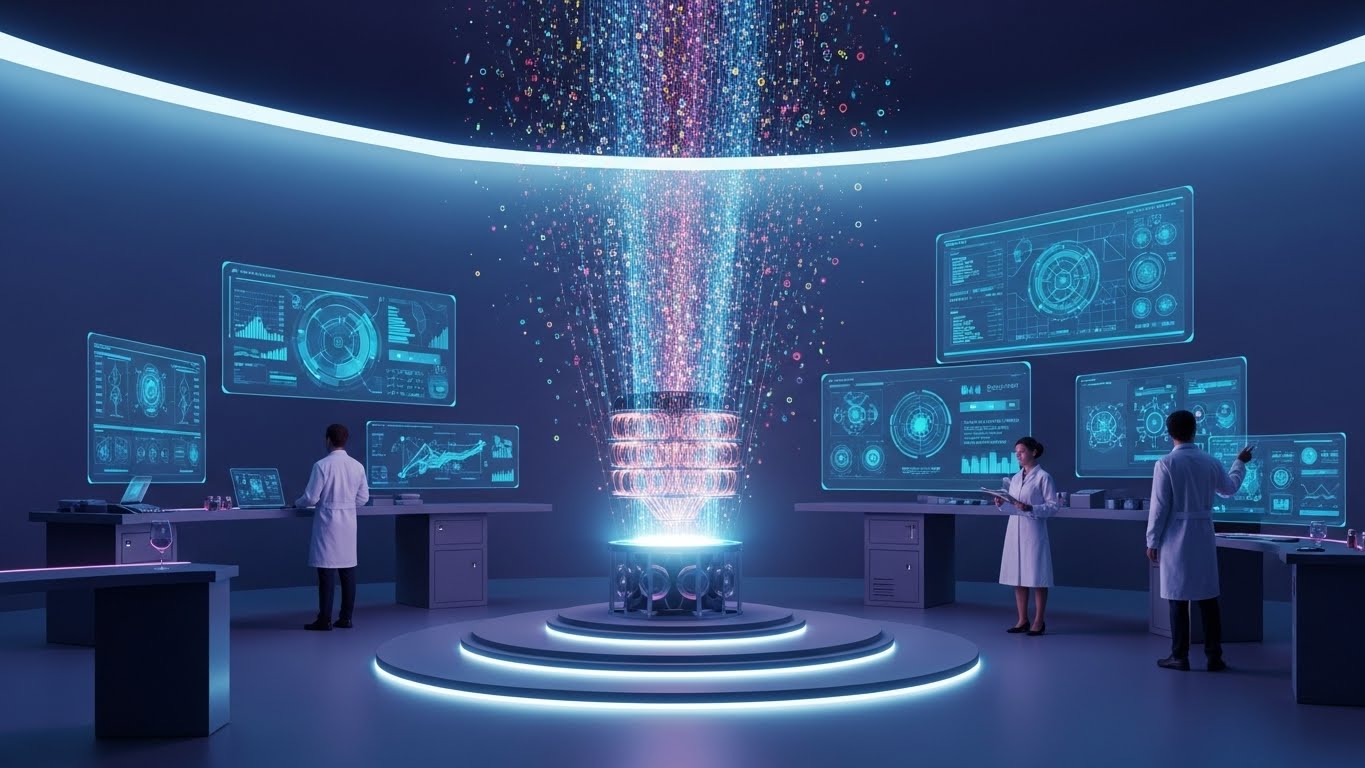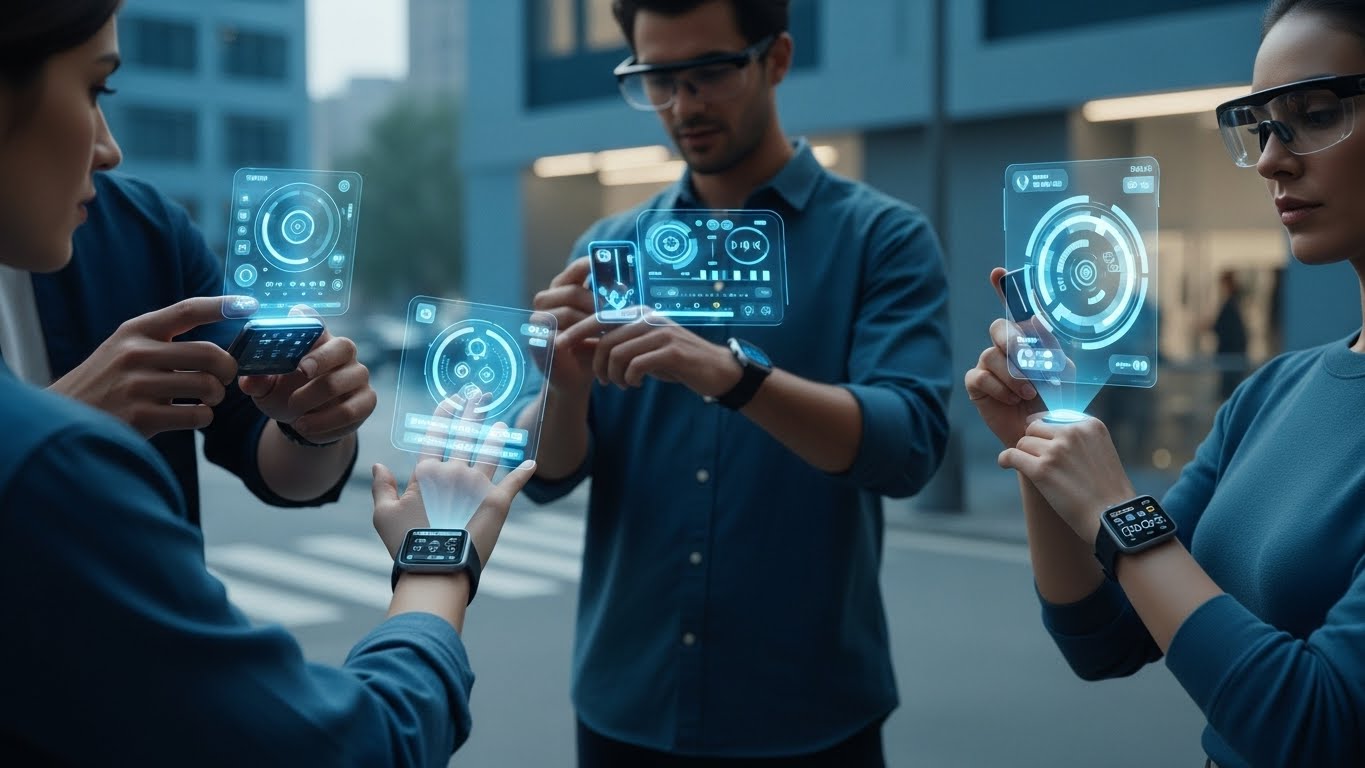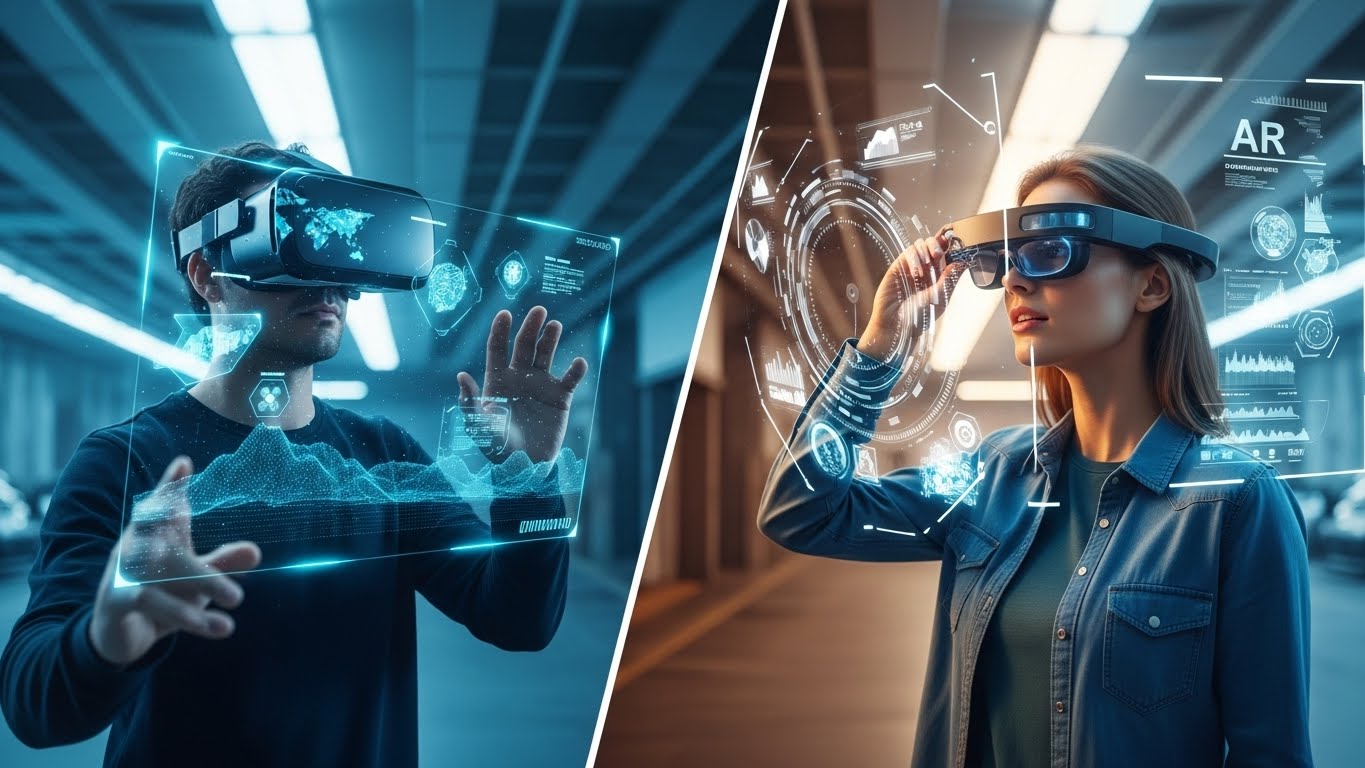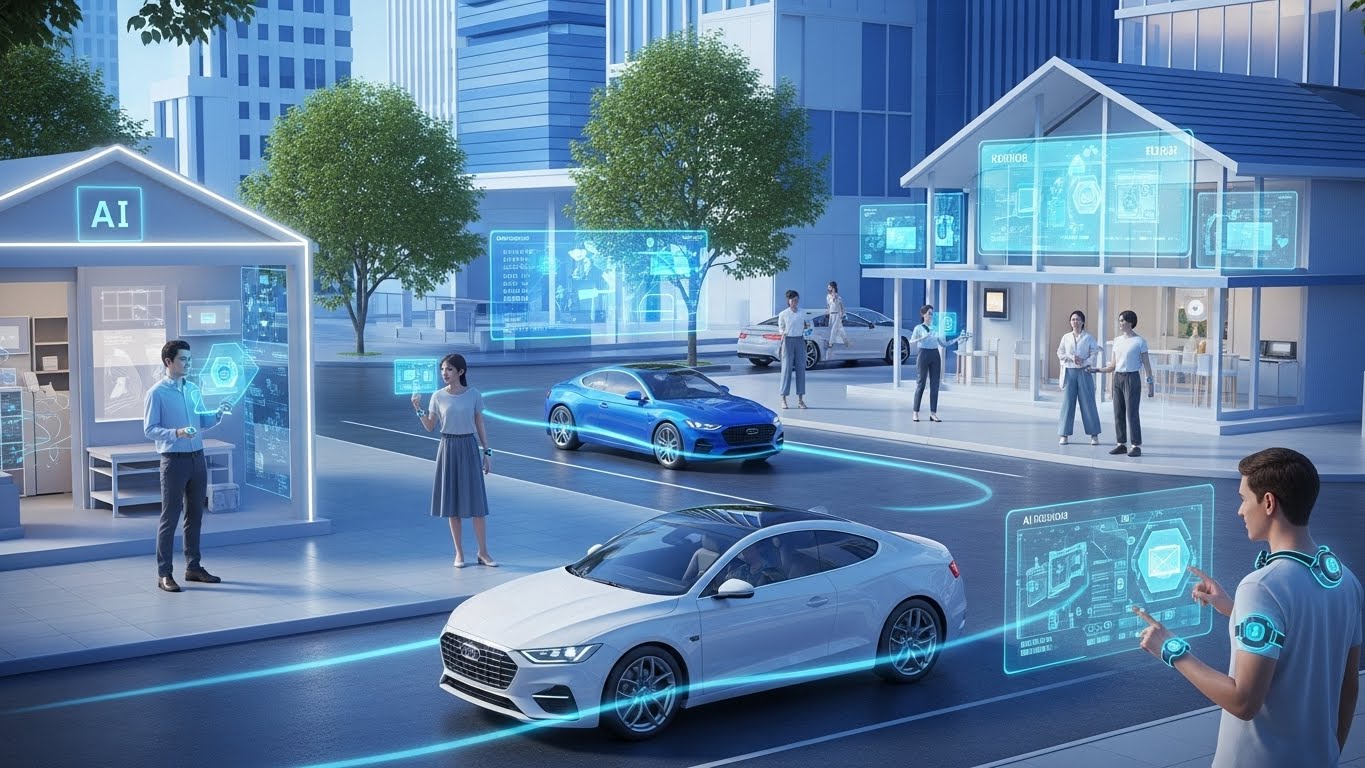
Artificial Intelligence has moved far beyond research labs and science fiction stories. In 2026, AI has become a practical and deeply integrated part of everyday life for millions of people around the world. From smartphones and home appliances to healthcare systems and online services, AI technologies are quietly working in the background to make daily tasks faster, smarter, and more personalized. This transformation is not sudden but the result of years of development, improved computing power, and massive data availability. Today, AI is no longer something people actively notice; instead, it has become a natural extension of how modern life functions.
Smart Assistants and Daily Personal Management 📱
One of the most visible ways AI affects everyday life in 2026 is through smart assistants. These digital helpers have evolved to understand context, emotions, and personal habits better than ever before. They manage schedules, remind users of important tasks, suggest optimal routines, and even help improve productivity by analyzing daily behavior. Unlike earlier versions, modern AI assistants learn continuously, adjusting their responses and suggestions to match changing lifestyles. This makes them feel less like tools and more like reliable personal companions.
Artificial Intelligence in Healthcare and Wellness 🏥
Healthcare is one of the sectors most positively impacted by AI in 2026. AI-powered systems assist doctors in diagnosing diseases earlier and more accurately by analyzing medical images, patient history, and real-time health data. Wearable devices use AI to monitor heart rates, sleep patterns, and physical activity, providing users with actionable insights to improve their well-being. These technologies do not replace medical professionals but support them, reducing errors and allowing more time for patient care.
Smarter Homes and Intelligent Living Spaces 🏠
Smart homes in 2026 rely heavily on artificial intelligence to create comfortable and efficient living environments. AI systems learn user preferences for lighting, temperature, and energy usage, automatically adjusting settings to match daily routines. Security systems powered by AI can distinguish between normal activity and potential threats, improving safety without constant user input. This intelligent automation helps save energy, reduce costs, and provide a more convenient lifestyle.
AI in Transportation and Daily Mobility 🚗
Transportation has also been reshaped by artificial intelligence. Navigation apps now use AI to predict traffic patterns with high accuracy, suggesting the fastest and safest routes in real time. Public transportation systems rely on AI to optimize schedules and reduce delays. While fully autonomous vehicles are still developing, many cars in 2026 already use AI-driven features such as adaptive cruise control, collision avoidance, and smart parking assistance, making daily commuting safer and less stressful.
Personalized Entertainment and Media Experiences 🎬
Entertainment has become more personalized thanks to AI. Streaming platforms, gaming systems, and social media applications use intelligent algorithms to understand user preferences and recommend content accordingly. In 2026, these systems go beyond simple suggestions by adapting content presentation, sound quality, and even storytelling styles. This creates immersive experiences tailored to individual tastes, making entertainment more engaging and relevant than ever before.
Education and Learning Enhanced by AI 📚
Artificial intelligence plays a growing role in education by making learning more accessible and personalized. AI-powered platforms analyze student performance and adapt lessons to match individual strengths and weaknesses. In 2026, learners can receive real-time feedback, customized study plans, and interactive explanations. This approach helps students learn at their own pace while supporting teachers with valuable insights into student progress and engagement.
AI in Shopping and Consumer Decision-Making 🛒
Shopping experiences in 2026 are heavily influenced by AI technologies. Online platforms use artificial intelligence to recommend products based on browsing behavior, purchase history, and preferences. In physical stores, AI-powered systems manage inventory and improve customer service through smart kiosks and automated checkout options. These advancements make shopping faster, more efficient, and more aligned with individual needs.
Workplace Productivity and Professional Life 💼
In professional environments, AI has become an essential productivity tool. It automates repetitive tasks such as data entry, scheduling, and basic analysis, allowing employees to focus on creative and strategic work. AI-driven software assists with project management, communication, and decision-making by providing insights based on real-time data. As a result, workplaces in 2026 are more efficient, flexible, and collaborative.
Ethical Considerations and Responsible AI Use ⚖️
As artificial intelligence becomes more influential, ethical considerations play a crucial role in its development and use. In 2026, there is increased awareness around data privacy, transparency, and fairness in AI systems. Companies and developers focus on creating responsible AI solutions that respect user rights and minimize bias. These efforts are essential to building trust and ensuring that AI benefits society as a whole.
Conclusion: AI as a Natural Part of Modern Life 🌍
Artificial Intelligence in 2026 is no longer a futuristic concept but a natural part of everyday life. It enhances convenience, improves safety, and opens new possibilities across various aspects of society. As AI continues to evolve, its role will become even more seamless and supportive, shaping a future where technology works quietly in the background to improve human experiences. Understanding and embracing these changes helps individuals and communities make the most of what AI has to offer.