Blockchain technology has become one of the most transformative innovations of the 21st century. While it is widely known as the foundation of cryptocurrencies like Bitcoin and Ethereum, its applications extend far beyond digital money. In 2026, blockchain is being adopted across industries such as supply chain management, healthcare, finance, and even voting systems. By providing a secure, transparent, and decentralized way to record transactions, blockchain offers solutions to challenges like fraud, inefficiency, and lack of trust in traditional systems.
How Blockchain Works 🔍
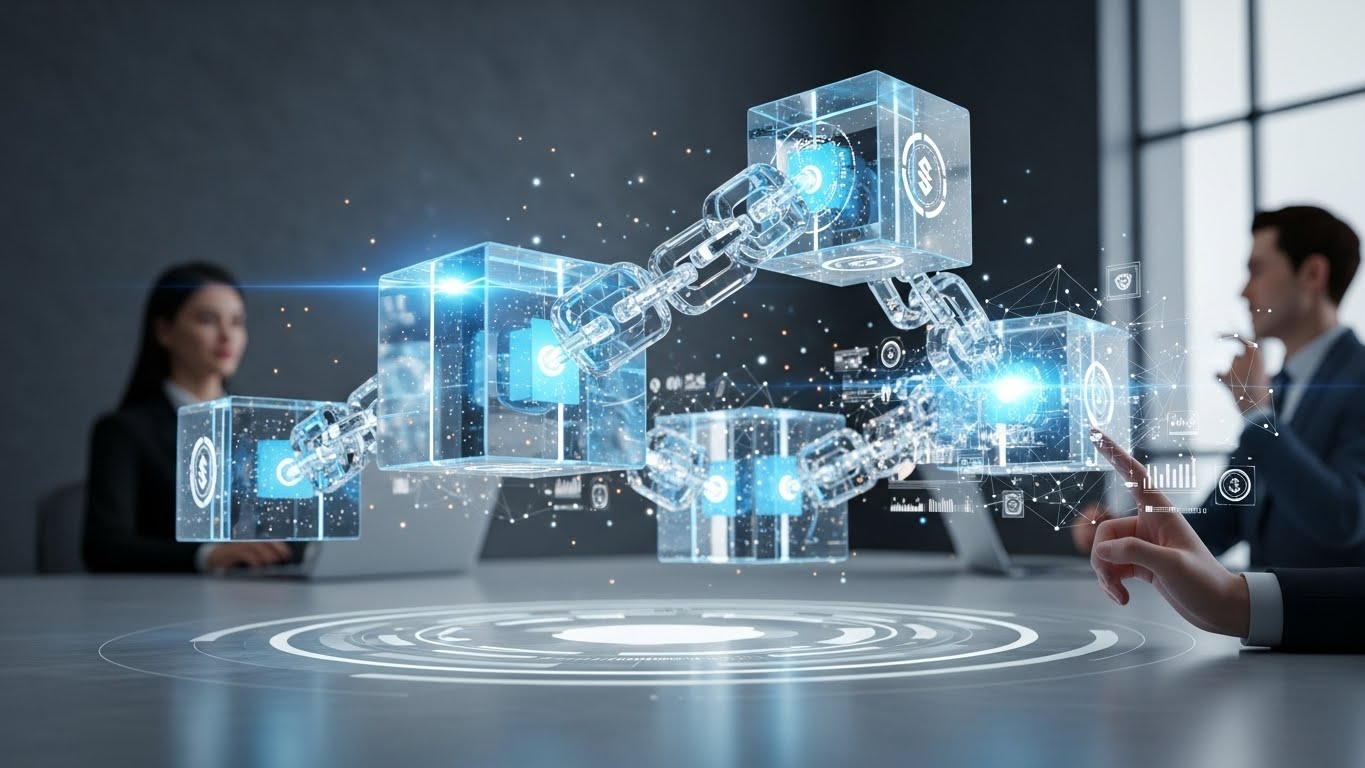
At its core, blockchain is a distributed ledger that records information across multiple computers. Each “block” contains a set of transactions, and once verified, it is added to a “chain” of previous blocks. This structure ensures that data cannot be altered retroactively without the consensus of the network, making it highly secure. In 2026, blockchain networks leverage advanced cryptographic techniques to maintain integrity, transparency, and trust without relying on central authorities, enabling peer-to-peer interactions and decentralized solutions.
Applications Beyond Cryptocurrency 🌐
While cryptocurrencies brought blockchain into the spotlight, its real potential lies in non-financial applications. Supply chain management uses blockchain to track products from origin to consumer, ensuring authenticity and reducing fraud. Healthcare systems use blockchain for secure sharing of patient records, improving accuracy and privacy. Smart contracts—self-executing agreements—are revolutionizing business operations by automating processes and reducing the need for intermediaries. Even governments are exploring blockchain for secure voting systems and transparent public records.
Enhancing Security and Trust 🔐
One of blockchain’s most valuable features is its ability to enhance security and trust. Transactions are encrypted and validated by multiple nodes on the network, reducing the risk of hacking and fraud. This decentralized structure eliminates single points of failure, making systems more resilient. By 2026, businesses are increasingly using blockchain to build trust with customers, partners, and regulators, ensuring that information is reliable, tamper-proof, and auditable.
Efficiency and Cost Reduction 💰
Blockchain can streamline operations by removing intermediaries and automating processes through smart contracts. This reduces administrative costs, minimizes delays, and improves overall efficiency. For example, in international trade, blockchain can verify shipments, payments, and customs processes in real-time, cutting down on paperwork and potential errors. By 2026, companies adopting blockchain are experiencing significant savings while maintaining accuracy and accountability across operations.
Blockchain in Healthcare and Data Management 🏥
Healthcare is benefiting from blockchain technology by enabling secure, interoperable patient records. Sensitive data can be shared across hospitals, clinics, and research institutions without compromising privacy. Blockchain ensures that medical records remain accurate, tamper-proof, and accessible only to authorized personnel. This improves patient care, reduces administrative errors, and supports medical research with reliable datasets.
Challenges and Considerations ⚠️
Despite its advantages, blockchain adoption faces challenges. Scalability is a concern, as some networks struggle to handle large volumes of transactions efficiently. Energy consumption, especially for certain blockchain protocols, remains a topic of debate. Regulatory uncertainty also affects adoption, as governments and institutions develop frameworks to govern blockchain applications. Businesses must carefully evaluate these factors when implementing blockchain solutions in 2026.
Future Trends and Innovations 🌟
The future of blockchain is promising, with continuous advancements in speed, scalability, and integration with other technologies like AI and IoT. Decentralized finance (DeFi) continues to evolve, enabling new financial services without traditional banks. Blockchain-based identity systems are being developed to give individuals control over personal data. By 2026, blockchain is expected to become a mainstream technology, driving innovation and trust across various sectors of society.
Conclusion: Why Blockchain Matters Beyond Cryptocurrency 🌍
Blockchain technology is no longer just synonymous with digital currencies. Its applications in security, transparency, efficiency, and decentralization make it a vital tool for businesses, governments, and individuals in 2026. From supply chain management to healthcare, finance, and beyond, blockchain is redefining how information is shared, verified, and trusted. Understanding and adopting blockchain solutions can help organizations operate more efficiently, securely, and transparently, making it a cornerstone of the modern digital world.