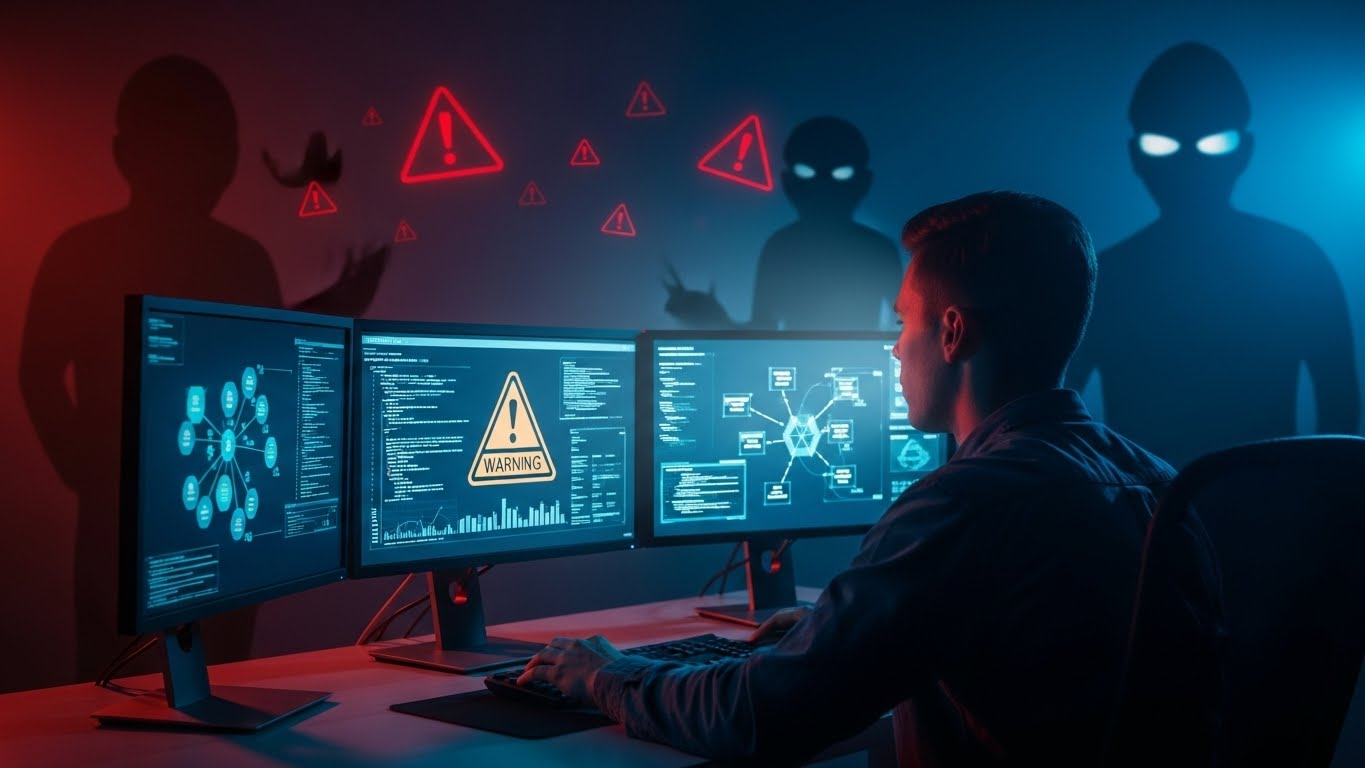
In 2026, cybersecurity remains one of the most critical concerns for individuals, businesses, and governments worldwide. As technology evolves, so do the methods and sophistication of cybercriminals. From phishing attacks and ransomware to advanced hacking techniques targeting AI and cloud systems, threats are more diverse and complex than ever. Understanding these threats and knowing how to protect yourself is essential in an increasingly digital world where personal information, financial data, and sensitive business details are constantly at risk.
Phishing Attacks and Social Engineering 🎣
Phishing attacks continue to be one of the most common cybersecurity threats in 2026. Cybercriminals use emails, messages, and even phone calls to trick individuals into revealing passwords, financial information, or personal data. Social engineering tactics exploit human psychology, creating a false sense of urgency or legitimacy. Staying safe requires vigilance: always verify the source of communications, avoid clicking suspicious links, and use multi-factor authentication (MFA) to protect your accounts.
Ransomware and Data Breaches 💻
Ransomware attacks have grown in scale and sophistication. Hackers can encrypt personal or corporate data and demand ransom payments for its release. Data breaches in major corporations often expose millions of records, including passwords, credit card details, and personal information. Regularly backing up data, keeping software up to date, and using robust antivirus and anti-malware solutions are essential preventive measures. Organizations must also train employees to recognize threats and respond quickly to minimize damage.
AI-Powered Cyber Attacks 🤖
Artificial intelligence is not only a tool for improving cybersecurity—it is increasingly used by cybercriminals. AI-powered attacks can bypass traditional security systems, launch automated phishing campaigns, and exploit vulnerabilities at scale. These intelligent attacks adapt to defenses in real-time, making them difficult to detect. Staying protected involves leveraging AI-driven security solutions that can identify abnormal behavior and respond to threats faster than humans can.
Cloud Security Risks ☁️
As businesses rely more on cloud storage and services, cloud security has become a major concern. Misconfigured cloud environments, weak passwords, and unauthorized access can expose sensitive data. In 2026, attackers often target cloud systems to steal information or disrupt operations. To stay safe, use strong access controls, encryption, regular audits, and secure cloud management tools. Additionally, ensure that cloud service providers adhere to strict security protocols and compliance standards.
Internet of Things (IoT) Vulnerabilities 🌐
The rapid growth of IoT devices—smart home gadgets, wearables, and connected vehicles—introduces new security challenges. Many devices have weak security measures, making them potential entry points for attackers. Compromised IoT devices can be used to launch larger attacks or spy on users. To protect yourself, regularly update device firmware, change default passwords, and only use IoT devices from trusted manufacturers that prioritize security.
Mobile Security Threats 📱
Smartphones and mobile apps are increasingly targeted by cybercriminals. Malware, malicious apps, and unsecured Wi-Fi networks can put personal information at risk. In 2026, mobile threats are more sophisticated, often mimicking legitimate apps or services to steal data. Users should download apps only from official stores, enable security features like device encryption and biometric authentication, and avoid connecting to untrusted networks.
Cybersecurity in Remote Work Environments 🏠
The rise of remote work has expanded the attack surface for cybercriminals. Unsecured home networks, personal devices used for work, and insufficient IT protocols can lead to breaches. Companies and employees must adopt secure VPNs, strong password policies, and endpoint protection software. Educating remote workers about safe online behavior and potential threats is crucial for maintaining cybersecurity across distributed teams.
Preventive Measures and Best Practices 🛡️
To stay safe in 2026, cybersecurity awareness and proactive measures are essential. Key practices include:
- Using strong, unique passwords and multi-factor authentication for all accounts.
- Regularly updating operating systems, software, and applications to patch vulnerabilities.
- Backing up critical data to secure offline or cloud storage.
- Being cautious of suspicious emails, links, and attachments.
- Employing antivirus, anti-malware, and AI-driven security tools.
- Monitoring accounts and systems for unusual activity.
The Importance of Cybersecurity Awareness 🌍
Cybersecurity is not just a technical issue—it is a shared responsibility. In 2026, both individuals and organizations must stay informed about emerging threats and evolving attack methods. Awareness and education play a critical role in preventing attacks and minimizing damage. By adopting best practices and staying vigilant, people can protect their digital lives and contribute to a safer online environment for everyone.
Conclusion: Staying Safe in a Digital World 🔑
The landscape of cybersecurity threats continues to evolve rapidly, making it essential to remain proactive and informed. From phishing and ransomware to AI-powered attacks and IoT vulnerabilities, risks are everywhere. However, by implementing strong security measures, leveraging advanced technology, and cultivating cybersecurity awareness, individuals and businesses can stay safe. In 2026, the combination of technology and knowledge will be the strongest defense against cybercrime, ensuring that the digital world remains secure and trustworthy.