Smartphones have become an essential part of modern life, evolving rapidly over the past decade. In 2026, the next generation of smartphones promises to bring revolutionary changes, enhancing how we communicate, work, and entertain ourselves. These devices are no longer just tools for calling and messaging; they are becoming highly intelligent, seamlessly integrated into our digital and physical worlds. From advanced AI integration to foldable and flexible displays, the future of smartphones is shaping up to be more innovative, efficient, and personalized than ever before.
Advanced Artificial Intelligence and Personalization 🤖
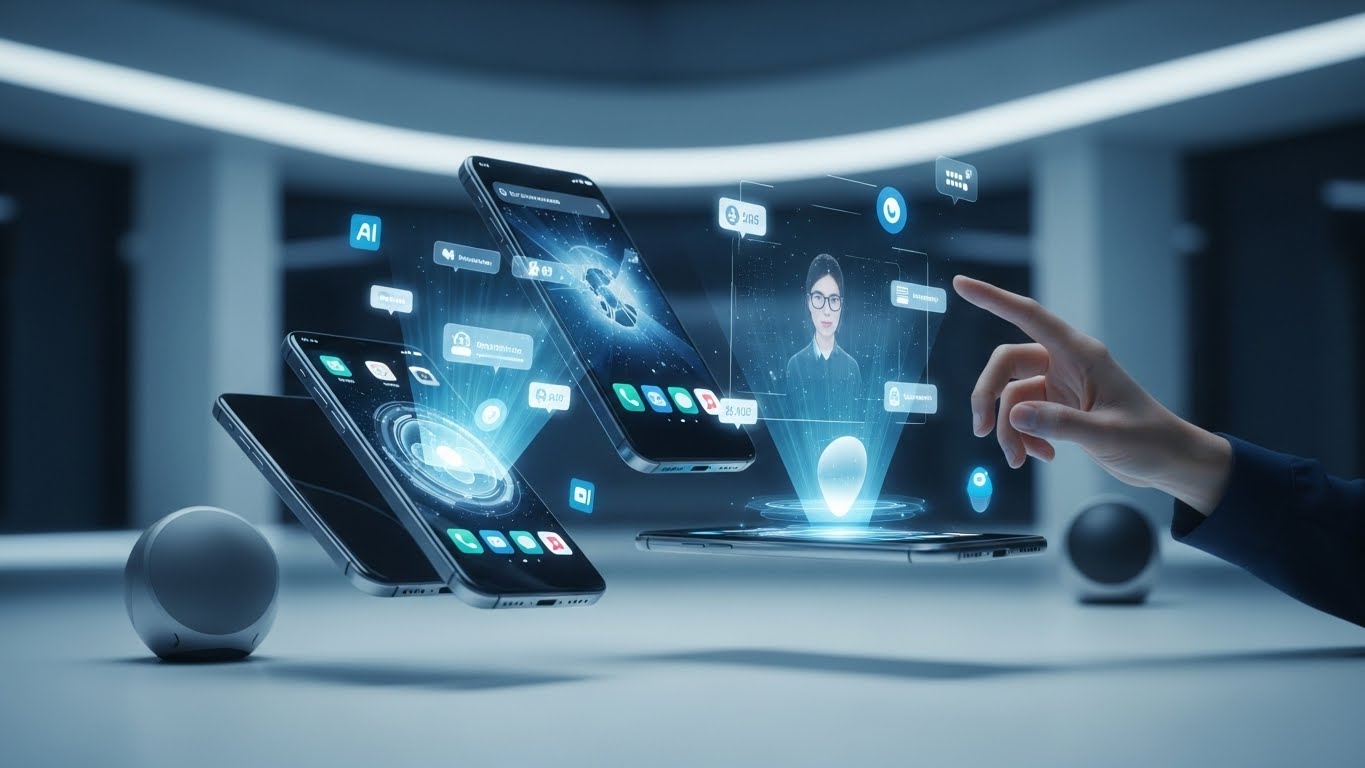
The next generation of smartphones in 2026 will feature AI that goes far beyond virtual assistants. These devices will anticipate user needs, manage tasks autonomously, and provide highly personalized experiences. AI will analyze user habits, preferences, and routines to offer context-aware suggestions, such as optimizing battery usage, predicting app behavior, and even helping with decision-making. This level of intelligent interaction will make smartphones feel like personal companions rather than mere gadgets.
Foldable and Flexible Display Technology 📖
Foldable and flexible smartphones are expected to become mainstream in the next generation. These devices combine portability with large-screen functionality, offering users an immersive experience for media consumption, gaming, and multitasking. By 2026, improvements in durability, hinge mechanisms, and display quality will make foldable phones more practical and affordable. Flexible screens could also allow for creative new designs, such as wrap-around displays and customizable form factors that adapt to different tasks and preferences.
Enhanced Connectivity with 5G and Beyond ⚡
High-speed connectivity will continue to evolve, with smartphones in 2026 fully utilizing 5G networks and exploring early adoption of 6G technology. These networks will enable ultra-fast download and upload speeds, low latency, and improved network reliability. Enhanced connectivity will support seamless cloud integration, real-time collaboration, and advanced streaming experiences. Users will notice smoother video calls, instant file sharing, and more reliable access to digital services from virtually anywhere in the world.
Augmented Reality (AR) and Virtual Reality (VR) Integration 🕶️
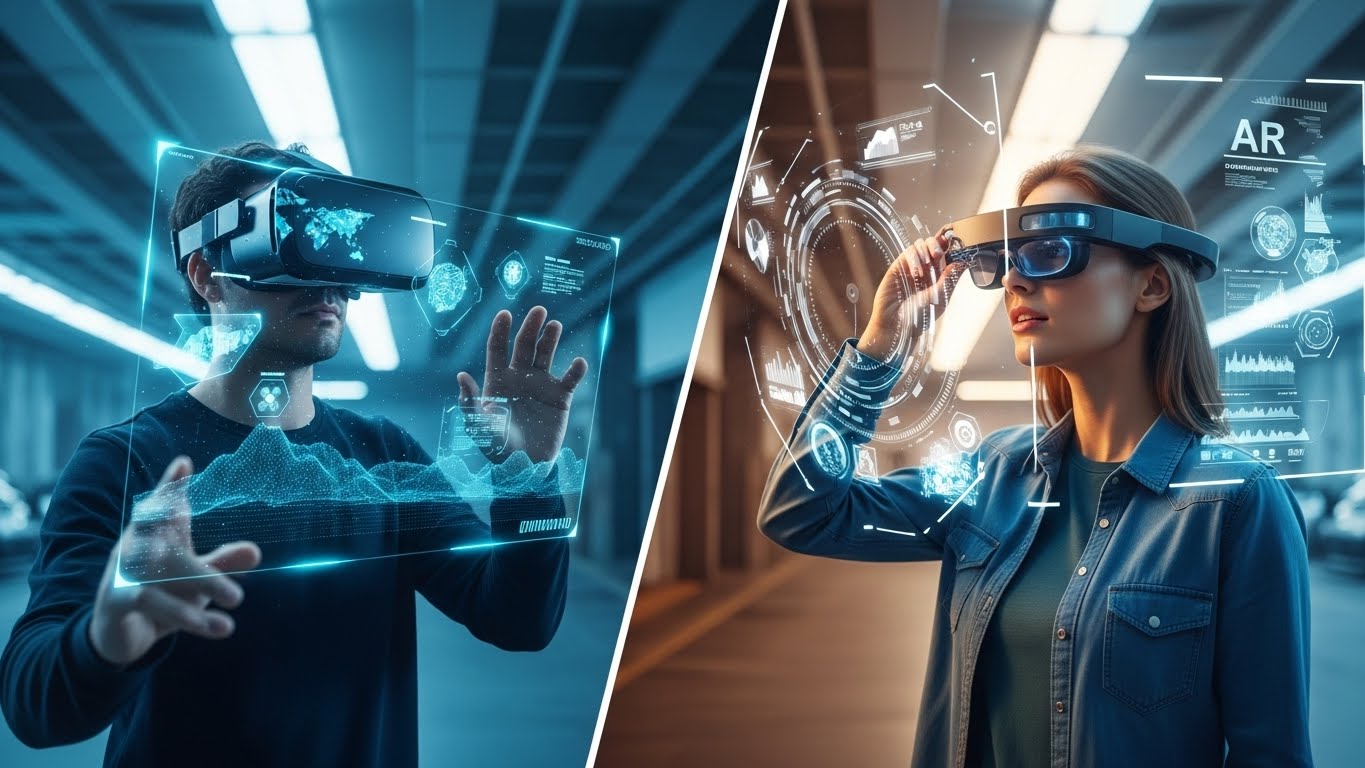
Augmented and virtual reality features are becoming integral to smartphones. By 2026, next-generation devices will offer AR experiences that blend the digital and physical worlds, from interactive gaming and navigation to immersive shopping and education. VR integration will provide portable, high-quality experiences without the need for bulky external devices. These advancements will change the way people interact with content, opening new possibilities for creativity, entertainment, and learning.
Improved Battery Life and Charging Technology 🔋
Battery performance remains a critical factor for smartphone users. Future smartphones will feature more efficient batteries with extended life cycles, allowing full-day usage even under heavy workloads. Innovations in fast-charging and wireless charging technologies will make recharging quicker, safer, and more convenient. Additionally, energy-efficient hardware and software optimizations will contribute to longer battery life, reducing the need for constant charging and improving user convenience.
Enhanced Camera Systems and Computational Photography 📸
The next generation of smartphones will revolutionize mobile photography. Advanced multi-lens systems, higher-resolution sensors, and AI-powered image processing will deliver professional-quality photos and videos. Features like real-time background replacement, advanced low-light performance, and enhanced zoom capabilities will make smartphone cameras more versatile than ever. Computational photography will continue to improve, allowing users to capture complex scenes effortlessly and produce visually stunning results.
Security and Privacy Enhancements 🔐
As smartphones handle increasingly sensitive information, security and privacy will be paramount in 2026. Biometric authentication, such as facial recognition and fingerprint scanning, will become faster and more accurate. AI-driven security systems will detect unusual behavior and potential threats proactively. Encryption and privacy-focused software will protect personal data, giving users more control over their digital identity. These improvements will make smartphones safer and more trustworthy for everyday use.
Integration with Smart Devices and IoT 🌐
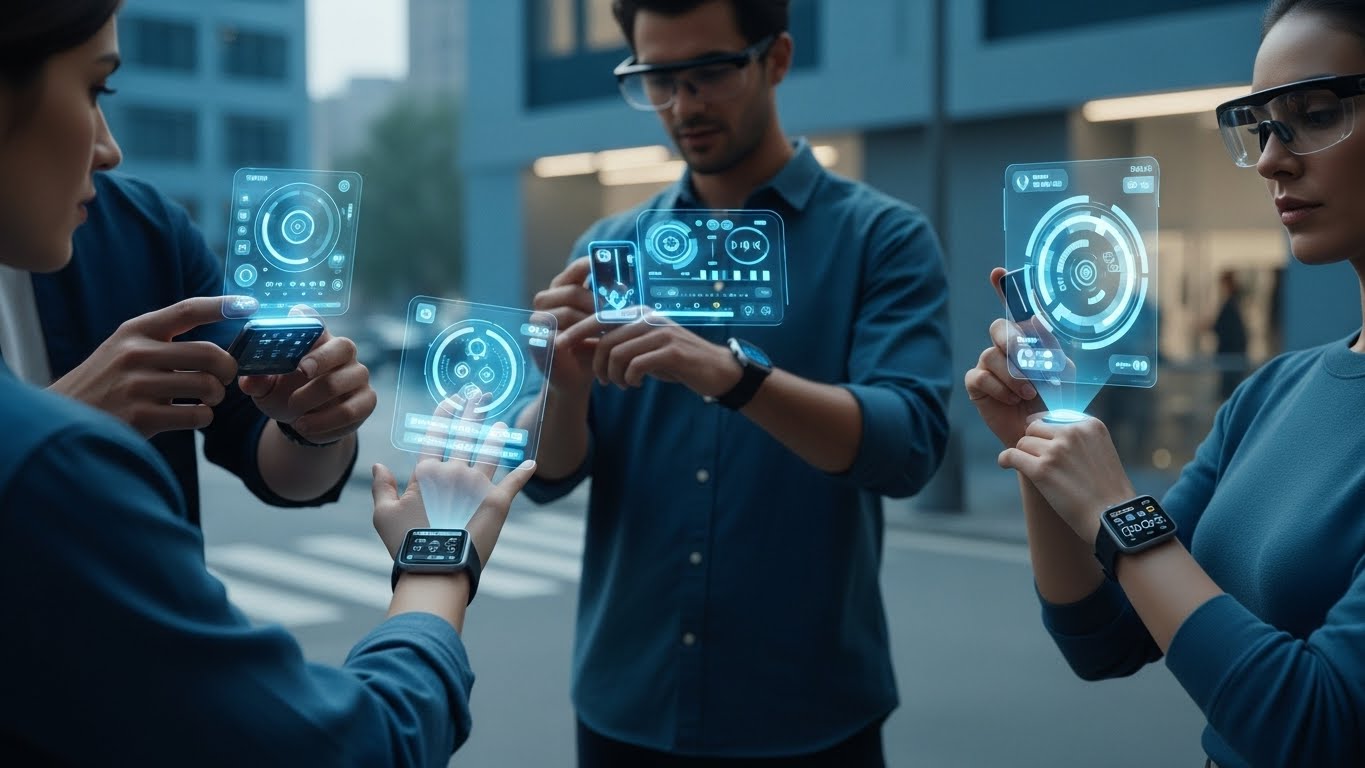
Smartphones will act as central hubs for connected devices and Internet of Things (IoT) ecosystems. In 2026, users will be able to control smart homes, wearable devices, and connected vehicles seamlessly from their phones. AI will coordinate these devices intelligently, optimizing energy usage, improving home security, and streamlining daily routines. This integration will create a cohesive digital environment, where smartphones serve as the ultimate interface for managing multiple aspects of modern life.
Environmental Sustainability and Eco-Friendly Designs 🌱
Future smartphones will prioritize environmental sustainability. Manufacturers are expected to use eco-friendly materials, reduce e-waste, and design devices for longer lifespans and easier recycling. Energy-efficient components and renewable energy-powered production processes will contribute to reducing the carbon footprint of smartphones. By 2026, consumers will have access to high-performance devices that are also environmentally responsible, supporting a more sustainable future.
Conclusion: The Next Generation of Smartphones in 2026 🌟
The future of smartphones is exciting and transformative. In 2026, these devices will be smarter, faster, more versatile, and deeply integrated into everyday life. From advanced AI and immersive AR/VR experiences to sustainable designs and enhanced connectivity, the next generation of smartphones will redefine what is possible in mobile technology. Staying informed and embracing these innovations will allow users to maximize the benefits of their devices, making smartphones an indispensable part of modern life.